



What if the biggest transformations begin in moments that barely register at all?
Think about the last time something small made a big difference—a kind word that softened your day, a pause before reacting, a five-minute walk that cleared your mind. Change rarely starts with a grand gesture. It begins with a single moment of awareness that shifts our energy and direction. The smallest intentional actions, repeated with presence, can quietly reshape how we think, lead, and live.
We tend to believe transformation requires major change: a new job, a new routine, a complete overhaul of how we live. But research tells a different story. Behavioral scientists like BJ Fogg and James Clear have shown that small, consistent shifts create the most lasting results. Tiny habits are easier to begin, harder to resist, and more likely to compound over time. Even a one-percent improvement each day can lead to massive change over a year.
The Power of Small Moments
In my experience, the same principle applies to energy, wellbeing, and leadership. Sustainable energy doesn’t come from overhauling your life overnight; it comes from small, intentional acts that shift your state in real time.
A deep breath before a meeting
A walk between calls
A short moment of gratitude before the next task
Each one seems small on its own, but together they rewire how we show up.
A Morning Rewired
For years, mornings at our house were a blur. I’d wake up already in motion, packing lunches, making breakfast, sipping coffee, getting myself ready while helping my son get ready too. We’d rush out the door, usually right on time but never relaxed. It worked, but it wasn’t enjoyable.
The change came from something so small it barely seemed worth mentioning: we started eating breakfast together. Sitting down. Actually sitting, not standing over the counter. I’d pour my coffee, make our breakfast and sit with him, no phone, no multitasking. If he needed something, I’d say, “Wait a moment, I’m eating too.”
It sounds simple, but that one shift changed everything about how our mornings felt. Now we begin our day connected instead of hurried. Sometimes we talk, sometimes we just sit quietly, but the energy is different. There’s calm where there used to be rush.
Another micro-practice found me on our short walk to school. South Florida mornings carry a distinct smell of palm trees, salt air, and sunshine. I started noticing it, breathing it in, and when I did, I realized how often I’d been missing it. Even now, when the day starts to feel heavy, I pause and notice a scent around me — the coffee brewing, the rain in the air, or the faint trace of my son’s sunscreen. It brings me back to my senses, literally.
These two small moments, sitting to eat and pausing to breathe, rewired my mornings. They didn’t require new routines, just new awareness. And that awareness ripples through the day, shaping how I respond, how I connect, and how grounded I feel.
The Science Behind the Shift
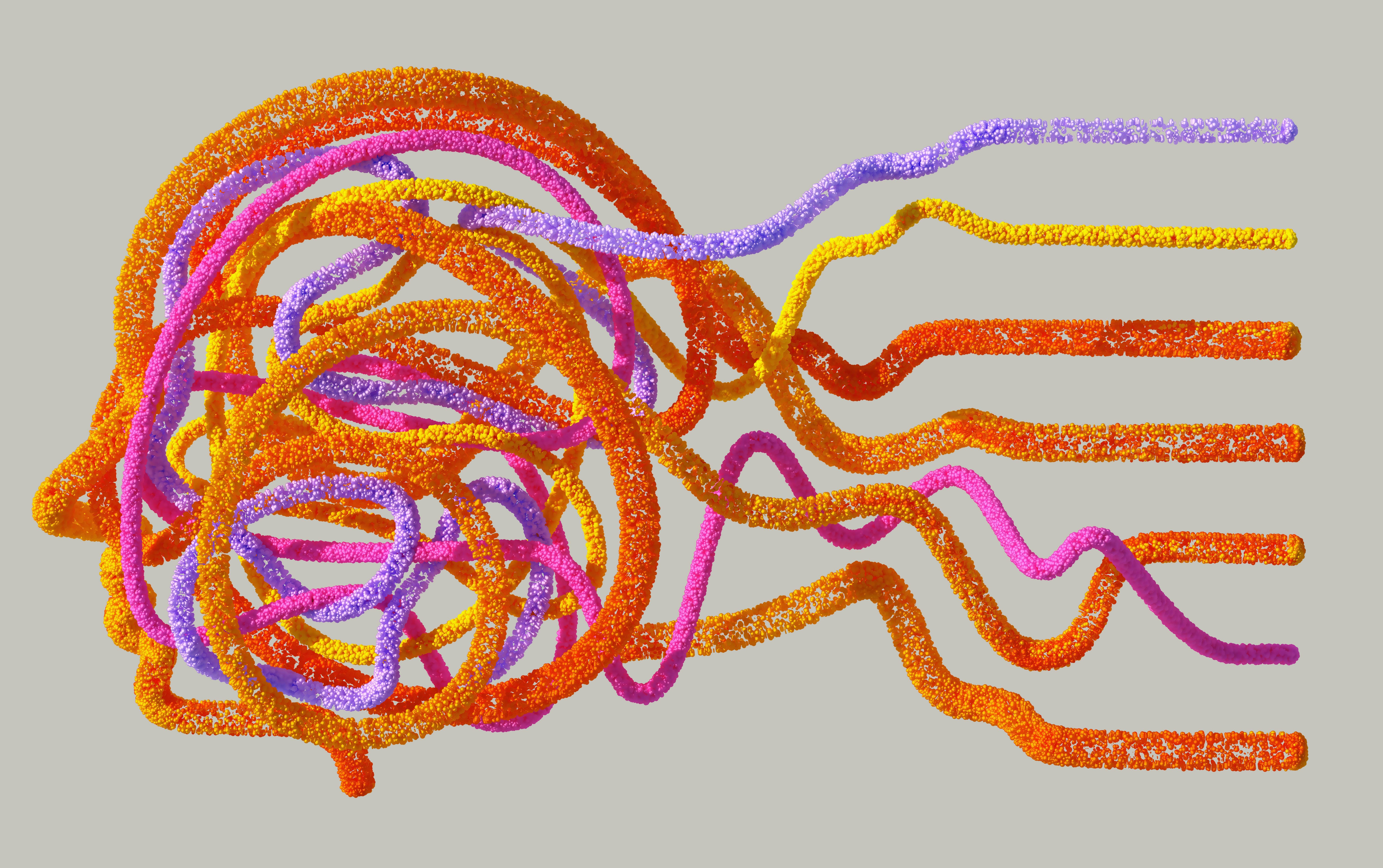
Neuroscience helps explain why small actions have such a powerful effect. Every time we pause, breathe, or notice, we activate the parasympathetic nervous system—the body’s natural calm-and-connect response. This helps shift us out of fight-or-flight and back into balance, lowering cortisol, slowing the heart rate, and improving focus.
Over time, this pattern strengthens the brain’s prefrontal cortex, the area responsible for attention, decision-making, and emotional regulation. It also quiets activity in the amygdala, the brain’s alarm center. This is the foundation of neuroplasticity—the brain’s ability to rewire itself through repetition and awareness.
From a behavioral science perspective, micro-practices also tap into what BJ Fogg calls the “success momentum loop.” Each small action that feels good or meaningful reinforces itself, building motivation to do it again. The habit becomes self-sustaining.
So while a single deep breath may feel insignificant, your nervous system experiences it as safety, your mind experiences it as clarity, and your brain learns to return there more easily next time.
When Teams Go Micro
This principle doesn’t just apply to individuals. At PEDCO, a company working with highly regulated organizations, leaders wanted to improve alignment and morale but knew large-scale change would be too disruptive. So they focused on micro-habits: brief check-ins, shared reflection at the end of meetings and small questions like “What went well today?”
Those tiny acts built momentum. Within months, teams reported higher engagement, smoother collaboration, and less friction. Big culture shift, one small moment at a time.
It’s proof that transformation scales not through massive programs, but through shared micro-practices that make presence and connection part of daily work.
Presence as Practice
These stories echo a deeper pattern: small, intentional actions open the door to presence. Whether in families or boardrooms, what transforms us isn’t a single grand act; it’s the daily practice of noticing.
Each micro-practice grounds the nervous system, trains attention, and creates space between reaction and response. Over time, that space becomes strength.
In Practice: Small Moments, Real Shifts
Change doesn’t always ask for more time. Sometimes it just asks for more presence in the moments already here.
Start with one moment of your day that often feels rushed or automatic—waking up, commuting, logging into work, dinner cleanup—and experiment with a single micro-practice that brings you back to yourself.
Try this:
Pause before you begin. Before opening your inbox or starting a meeting, take one deep breath. Feel your feet on the floor. Let your body arrive before your mind takes off.
Anchor with the senses. Notice a sound, a scent, or the feel of air on your skin. Use it as a quiet reminder: I’m here.
Reclaim transition time. Instead of reaching for your phone between tasks, take thirty seconds to stretch, look outside, or simply breathe.
Begin or end with gratitude. While brushing your teeth or waiting for the kettle, name one thing you’re thankful for.
Share presence. Like breakfast with my son, find a daily routine that becomes a point of connection. No need for deep conversation—sometimes silence is the most meaningful exchange.
Small doesn’t mean insignificant. These moments are the quiet architects of who we become. Every time you pause, notice, or choose presence, you rewire your brain toward calm, clarity, and connection.
Big change doesn’t happen overnight. It happens in the space between breaths, in the gentle practice of beginning again, one small, intentional act at a time.
"the smell of palm trees, salt, air, sunshine..." right there with you! Well, not palm trees and salt, but definitely the smell of the fall and the vibrant colors and sensations all around me. Love this, Stef!